
Our Areas of Work
Restorative Eye Surgery
The DAK Foundation, now known as the DAK International Network (DIN), has always prioritized interventions with a high benefit-to-cost ratio. One of the most impactful examples is high-volume cataract surgery, a public health intervention with extraordinary results.
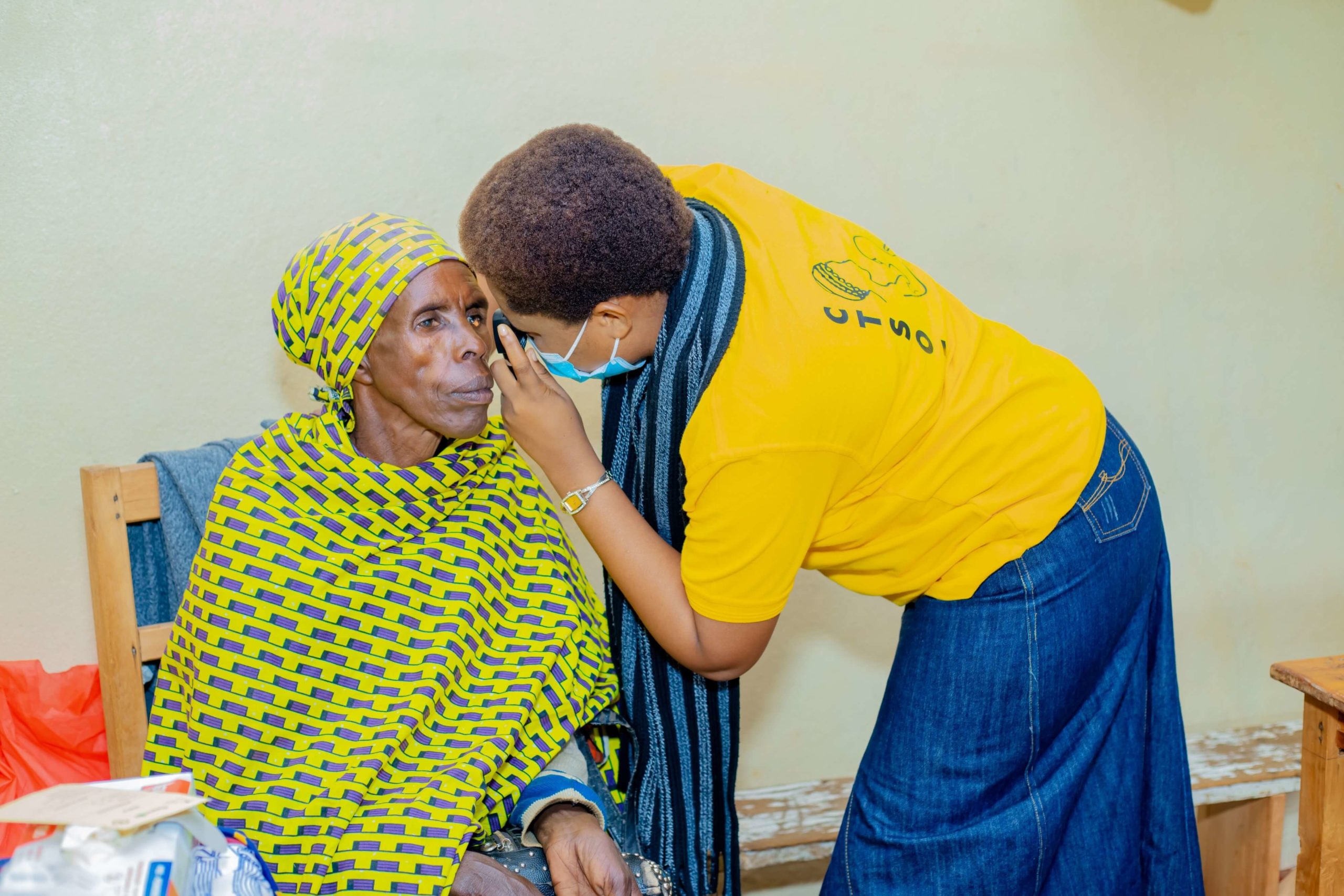
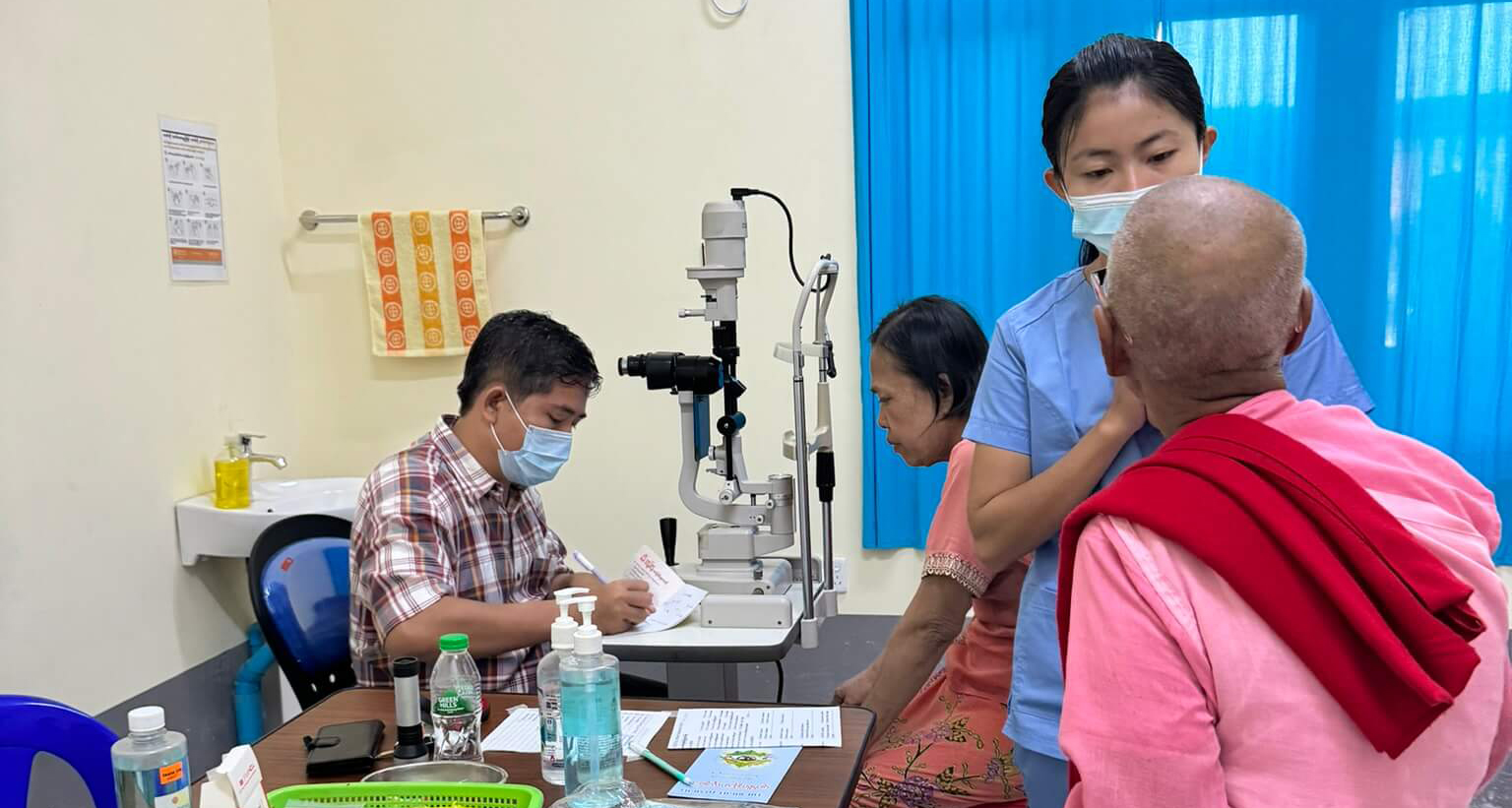
While cataract surgery in Australia can cost around $4,000, the high-volume approach used in low- and middle-income countries (LMICs) reduces costs to just $50-$100 AUD per surgery. This method transforms eye hospitals into efficient production lines, with teams of two surgeons, four ophthalmic nurses, an optometrist, and support staff performing up to 100 surgeries a day. The results are life-changing—not only for the patient but for their family and community, generating substantial downstream economic benefits.
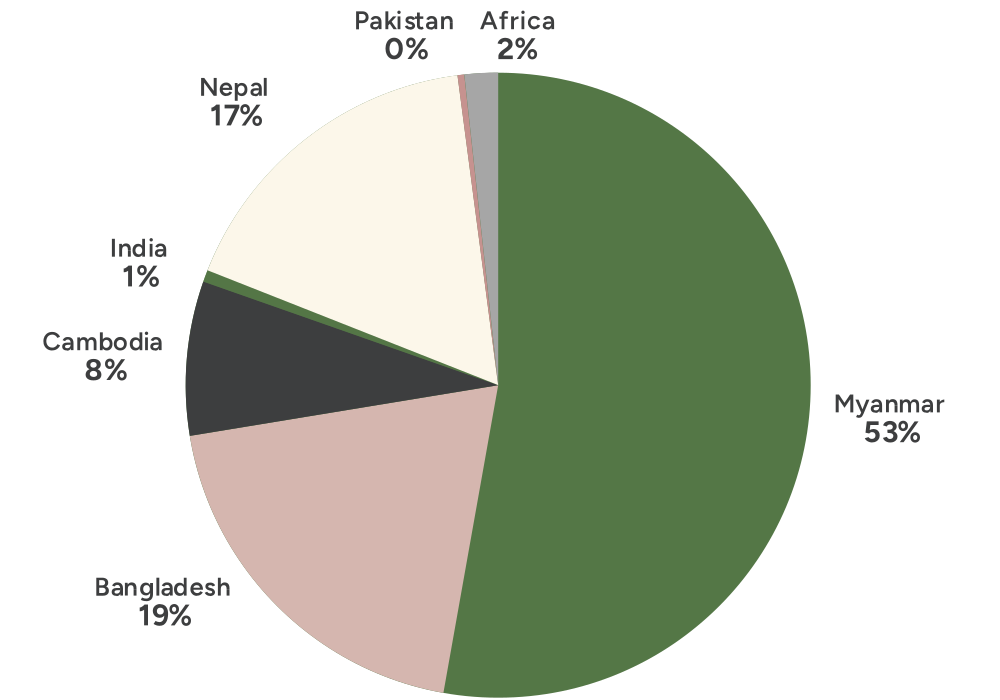
Over the past 12 years, DAK has funded 550,000 cataract and other surgeries, restoring sight and transforming lives.
Eyesight Restoration Surgeries by Countries since 2012
Eyesight Restoration Surgeries Per Year since 2012


Handheld Pulse Oximeters
An essential tool to diagnose hypoxaemia and safely deliver oxygen therapy.
Ultrasounds
The flagship device in our program. A crucial tool for preventing maternal and newborn death.
Oxygen Concentrators
Focussing on scaled partnerships with embedded biomedical programming.
Patient Monitors
Various models suitable for outpatients, triage or continuous monitoring.
Foetal Dopplers
Also called baby heart monitors. Used where ultrasound scanning is not accessible.
Resuscitators
Simple and lifesaving. Every labour room at emergency department needs them.
Specialty NICU
Infant Warmers, Phototherapy and b-CPAP.
Oxygen Analyser
A critical tool measuring O2 purity for facilities using oxygen concentrators.
Model
Our preferred approach to providing free surgeries is through screening camps set up in poor, hard-to-reach communities. A dedicated field team invites all individuals with vision problems to attend. After screening, reading glasses are provided to those who need them, while patients diagnosed with cataracts are transported to a partner hospital.
At the hospital, their vision is measured precisely, and cataracts are removed using the Small Incision Cataract Surgery (SICS) technique, with an Intra Ocular Lens (IOL) implanted. Patients stay overnight and receive a follow-up check the next morning before returning to their village, equipped with antibiotic eye drops and detailed usage instructions. They are encouraged to come back for follow-up visits at one week, one month, and three months.
It is extraordinary that such life-changing surgeries can be provided at such a low cost in low and middle-income countries (LMICs). We feel privileged to help so many people and make a significant impact in this way.

Reading Glasses
The cost of simple reading glasses, when purchased in bulk, is typically under a dollar. However, ensuring sustainable access remains a significant challenge, as glasses are often lost, broken, or become obsolete.
At the outreach camps we have supported, reading glasses are distributed free of charge. We have distributed over 300,000 pairs but this number barely scratches the surface compared to the 1.5 billion people worldwide unable to see sufficiently well enough to learn, read, or work.
Addressing this massive global need requires innovative and scalable solutions to provide consistent, long-term access to affordable vision correction.
Our
Areas of Work
Our primary purpose is to pursue health interventions at scale in disadvantaged communities in lower income countries.
We optimise resources and leverage existing capacity to maximise the number of people we can assist.

Essential Medical Equipment
Range donated to over 40 countries.
Providing health networks with essential equipment that can increase efficiency and enable health care workers to deliver better care.

Women's Health
20,000 prolapse and fistula surgeries funded.
Focusing on Birth Injury Repair and Family Planning, we provide training to doctors in both surgical and conservative prolapse management.

Family Planning
Over 500,000 CYPs provided.
Providing health networks with essential equipment that can increase efficiency and enable health care workers to deliver better care.